Device-Driven Shifts: Examining Connections Between Mobile Poker Milestones and Live Table Transitions in Integrated Betting Environments
Cameron Walter · Aug 16, 2026
Device-Driven Shifts: Examining Connections Between Mobile Poker Milestones and Live Table Transitions in Integrated Betting Environments
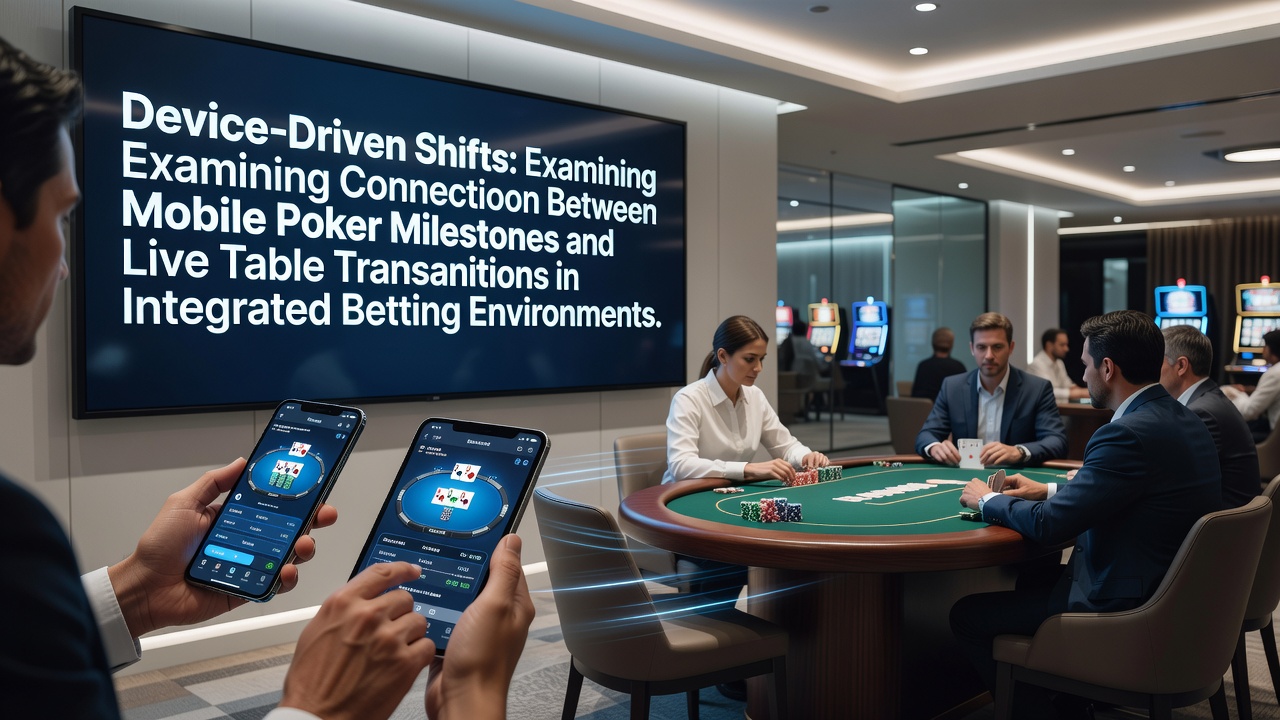
Device integration has reshaped how players move between poker applications and live dealer environments, with milestones in mobile poker software often coinciding with increased activity at virtual tables. Researchers tracking user flows in multi-platform systems note that feature updates, such as enhanced hand-tracking tools or real-time analytics in poker apps, frequently precede shifts toward live dealer sessions within the same ecosystem. Data compiled through August 2026 shows these transitions occurring most often during evening hours when mobile sessions extend beyond 45 minutes, prompting users to explore synchronized live options that carry over session balances automatically.
Milestones in Mobile Poker Development
Key advancements in mobile poker reached notable points between 2024 and 2026, including the rollout of AI-assisted decision prompts and seamless wallet linkages that reduced friction between game types. Observers note that these updates aligned with measurable upticks in live table entries, particularly in jurisdictions where integrated platforms operate under unified licensing. Figures from the New Jersey Division of Gaming Enforcement reveal that platforms offering both mobile poker variants and live dealer tables recorded a 14 percent rise in cross-format participation during the first half of 2026, with poker milestones serving as entry points for many users who later engaged live roulette or blackjack sequences.
Developers introduced multi-hand poker modes and instant replay functions that encouraged longer mobile engagements, and those same users frequently transitioned to live environments where similar decision histories appeared in dealer chat overlays. This pattern held across devices running iOS and Android builds, with synchronization features eliminating the need to restart verification processes when switching formats.
Live Table Transitions Within Integrated Systems
Integrated betting environments allow players to carry progress from mobile poker directly into live dealer interfaces, a capability that emerged more widely after 2023 software standards emphasized API compatibility. Those who study platform logs find that transitions spike after significant poker hands, such as all-in confrontations or tournament final tables, when users seek immediate changes in pace through live dealer formats. In August 2026, aggregated reports indicated that roughly one in five extended mobile poker sessions ended with a live table entry on the same account, especially when promotional credits applied across both formats.
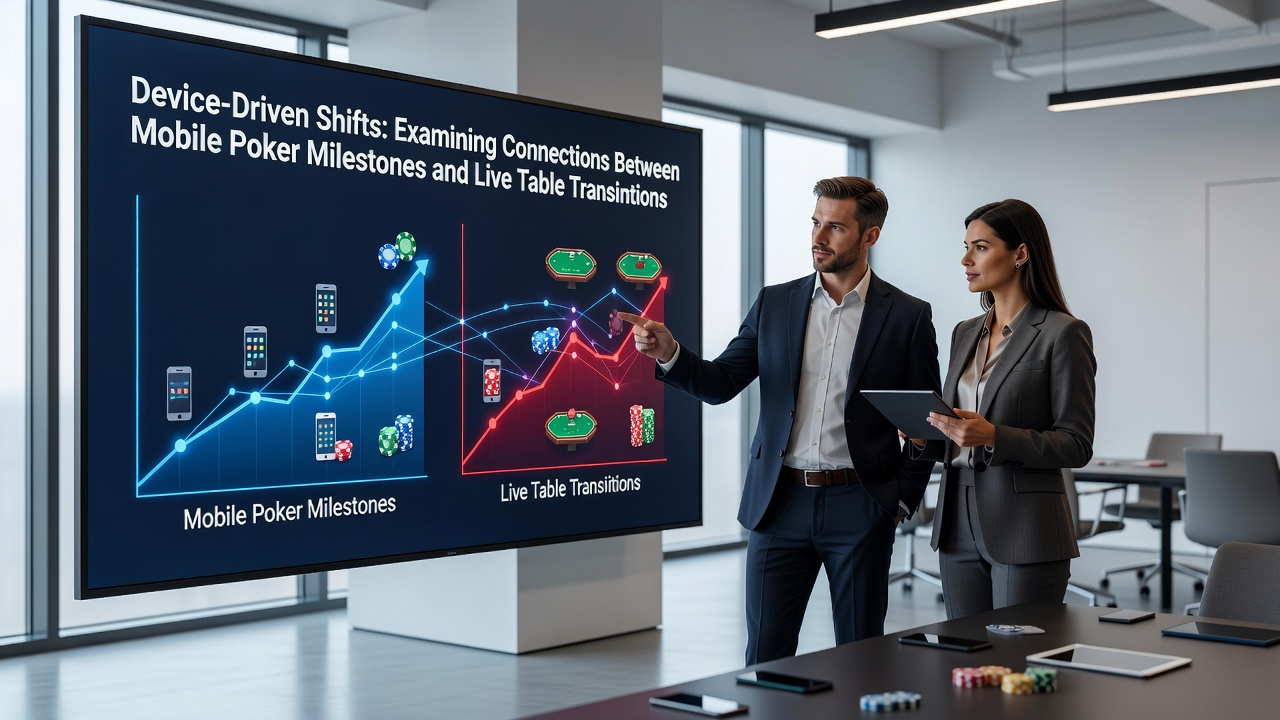
Regulatory data collected by iGaming Ontario highlights similar movement patterns, where users who completed poker challenges on mobile then activated live dealer bonuses at higher rates than those starting directly in live sections. The connections appear driven by interface continuity rather than promotional pressure alone, as session histories and balance indicators remain visible during switches.
Patterns Observed Across Platforms
Analysts examining user behavior across multiple operators report that mobile poker milestones, including achievement badges and level-ups, correlate with subsequent live table activity within 30 minutes of completion. This holds true in environments where the same loyalty tiers apply to both poker and live dealer play, reducing barriers for continued engagement. External industry reports from the Canadian Gaming Association document that such integrated pathways accounted for measurable portions of live table volume in provinces with mature online frameworks during early 2026.
Device type influences the speed of these transitions, with tablet users showing slightly longer dwell times in poker before moving to live options compared to smartphone users. Platform operators have responded by refining notification systems that surface live dealer availability immediately after poker milestones are reached, maintaining session continuity without requiring separate logins.
Conclusion
Connections between mobile poker developments and live table activity continue to evolve through shared technical standards and user data synchronization in integrated environments. Records through August 2026 demonstrate consistent patterns of movement tied to software milestones and interface features, supported by regulatory tracking from multiple jurisdictions. These shifts reflect ongoing platform design choices that prioritize continuity across game formats rather than isolated experiences.