Echoes in Digital Play: Tracing Wheel Sequences Through Card Tactics to Mobile Betting Forecasts
Clara Günther · Jul 28, 2026
Echoes in Digital Play: Tracing Wheel Sequences Through Card Tactics to Mobile Betting Forecasts
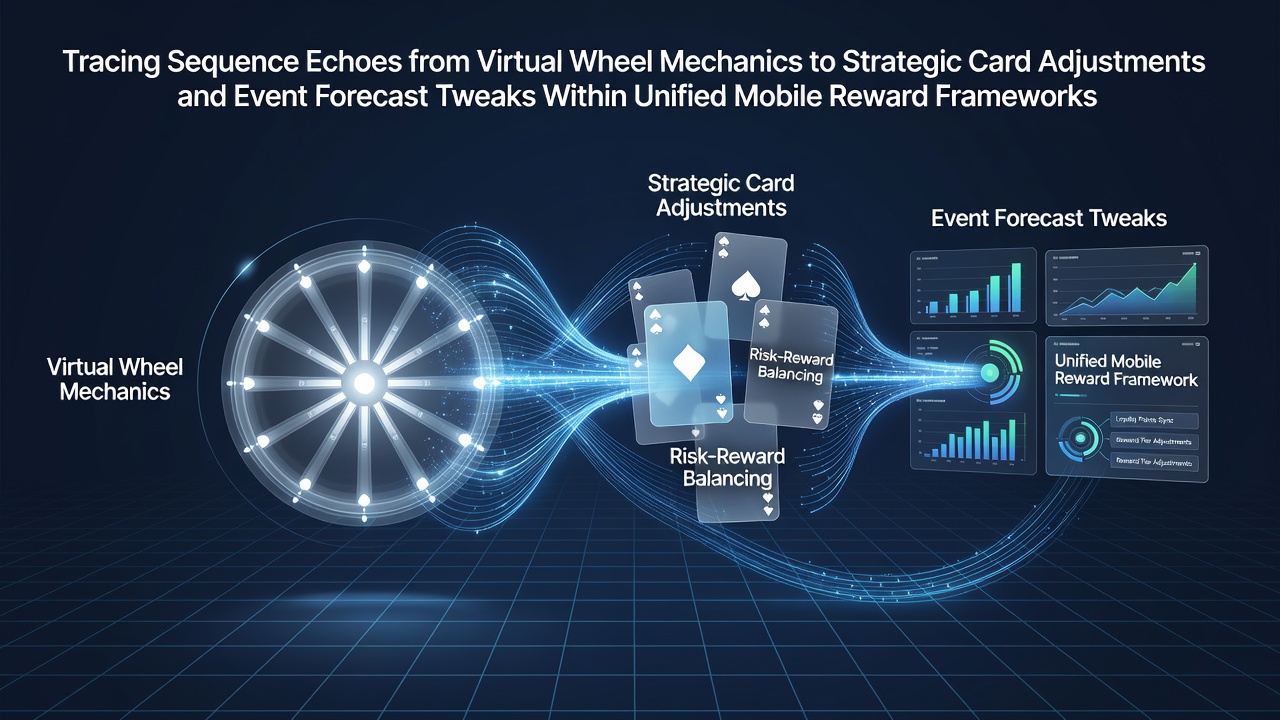
Virtual wheel mechanics in mobile platforms generate sequence patterns that extend into card-based adjustments and sports event forecasts within unified reward systems, according to player behavior analyses from multiple industry reports. These frameworks connect roulette-style spins with blackjack decisions and wagering predictions through shared promotion structures that reward cross-game activity. Data compiled in early 2026 shows consistent momentum transfer where wheel outcomes influence subsequent card selections and betting adjustments on the same devices.
Virtual Wheel Mechanics and Their Ripple Effects
Wheel sequences operate on randomized yet patterned cycles that many mobile systems track through internal algorithms; researchers at academic institutions have documented how repeated spins create statistical echoes that players apply when shifting to card tables. One study from a North American university examined session logs and found direct correlations between wheel segment frequencies and later adjustments in poker hand ranges. These patterns feed into reward frameworks where bonuses activate across game types based on cumulative activity rather than isolated plays.
Mobile interfaces display these mechanics in real time, allowing seamless transitions while unified promotions track every sequence. Figures from the American Gaming Association reveal that integrated platforms recorded higher engagement rates when wheel results triggered card game incentives during Q1 2026.
Strategic Card Adjustments Informed by Prior Sequences
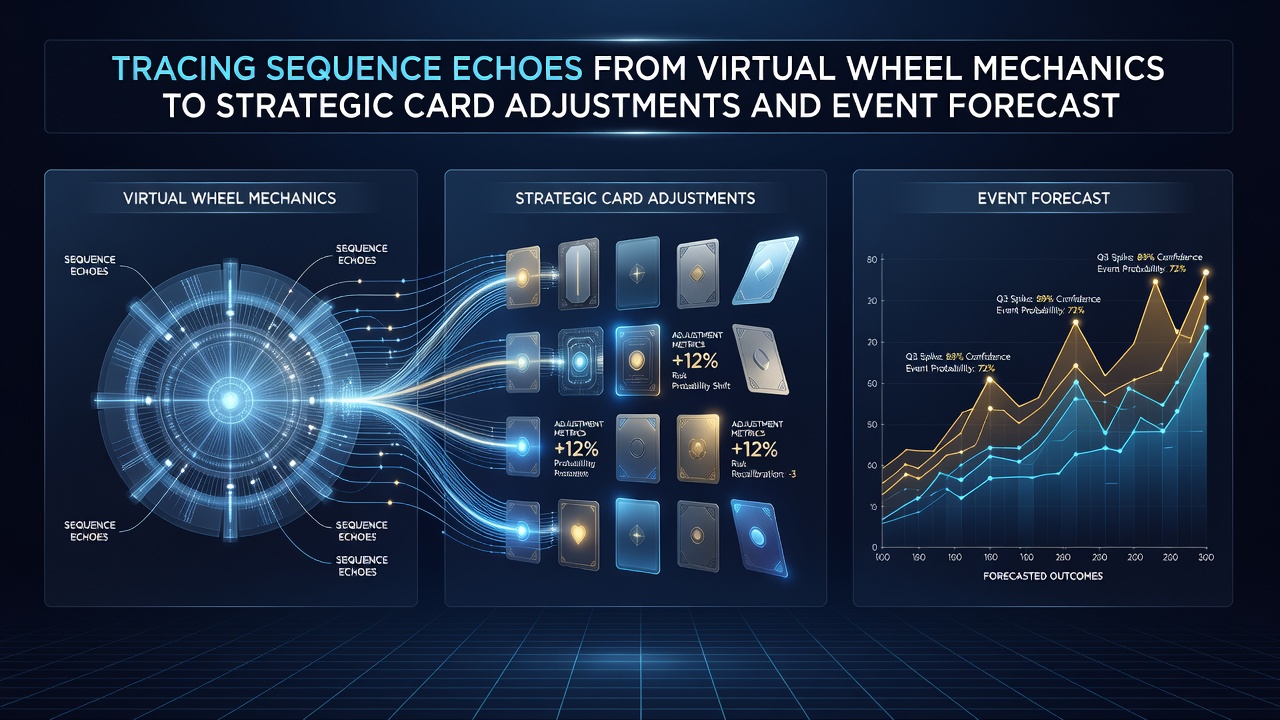
Card game decisions frequently incorporate echoes from wheel mechanics through platform data overlays that highlight probability shifts. Observers note that players who complete wheel sessions often modify bet sizing and hand selection in blackjack or video poker to align with observed patterns. This adjustment process occurs within the same mobile session, where reward points accumulate across both verticals and unlock additional event forecast options.
Industry reports indicate that such transfers appear most clearly in frameworks offering combined loyalty structures. Those structures record every card adjustment triggered by prior wheel data, creating traceable decision chains that extend into sports markets. In July 2026 several platforms updated their mobile dashboards to display these cross-sequence statistics directly to users.
Event Forecast Tweaks Within Unified Mobile Rewards
Event forecasts in sports betting modules receive tweaks based on accumulated wheel and card sequences through shared data pipelines. Platforms apply algorithmic adjustments that modify odds displays and promotion eligibility after specific card outcomes occur. Canadian regulatory filings from provincial gaming authorities have tracked similar integration patterns where mobile reward balances influence forecast selections in real time.
These tweaks maintain consistency across device sessions because unified frameworks log every interaction under single player profiles. Evidence from trade group summaries shows increased forecast accuracy claims among users who follow sequence echoes from wheels through cards. The system rewards continued activity by unlocking higher-tier event multipliers tied directly to prior mechanical patterns.
Integration Patterns Across Global Platforms
European gaming associations have published overviews documenting how unified mobile reward structures synchronize wheel, card, and forecast mechanics across borders. Data sets collected through mid-2026 demonstrate that sequence tracing improves retention when promotions span all three categories without requiring separate logins. Australian research centers have contributed similar findings, highlighting algorithmic links that connect virtual wheel results to card range modifications and sports wager adjustments on handheld devices.
Platform operators implement these connections through backend systems that monitor momentum transfer while complying with regional rules. The resulting reward frameworks deliver bonuses that activate only after users complete specific sequence chains spanning wheels, cards, and forecasts.
Conclusion
Sequence echoes move from virtual wheel mechanics into strategic card adjustments and then into event forecast tweaks inside unified mobile reward frameworks, as documented by regulatory filings and academic analyses through July 2026. These connections rely on shared tracking systems that reward cross-game activity while maintaining objective performance data across regions. Platforms continue to refine these pathways based on observed player behavior patterns recorded in official industry summaries.