Live Dealer Dynamics: Tracking Shifts in Mobile Sports Betting Through Integrated Promotions
Erik Coleman · Aug 13, 2026
Live Dealer Dynamics: Tracking Shifts in Mobile Sports Betting Through Integrated Promotions
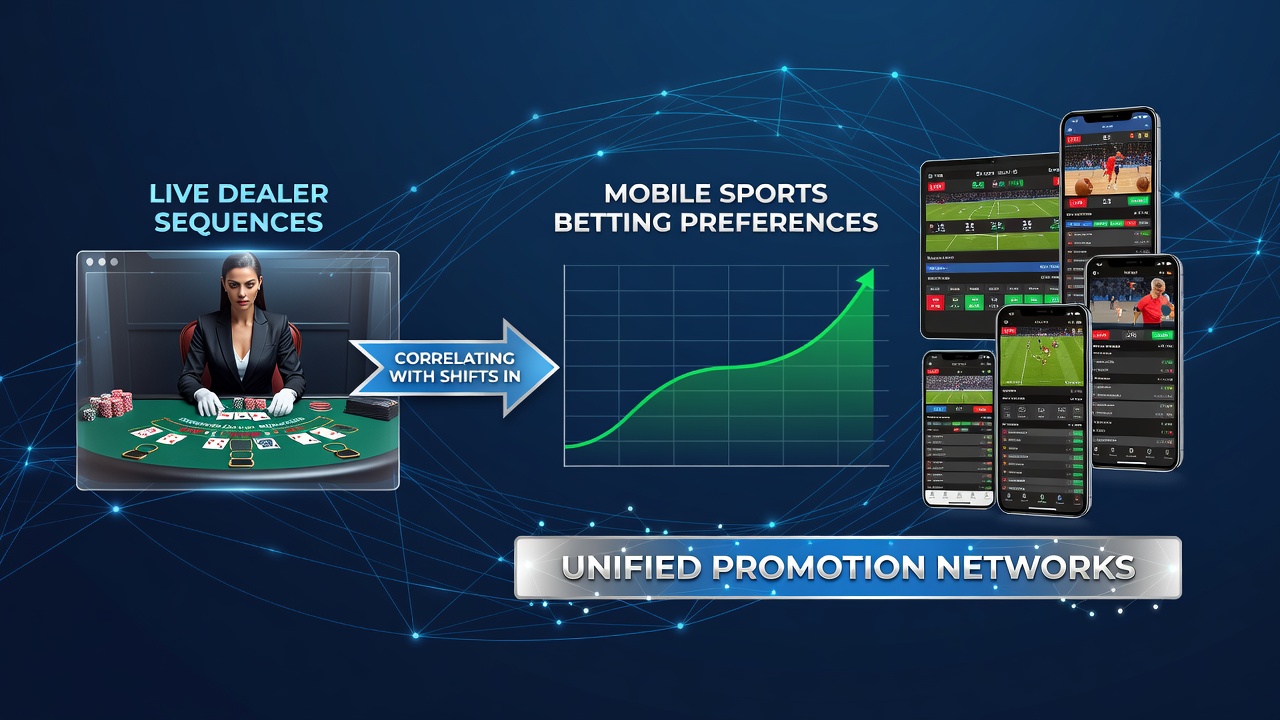
Researchers have examined how sequences in live dealer games such as blackjack and roulette align with changes in mobile sports betting selections when operators deploy unified promotion networks that link bonuses across platforms. Data from multiple jurisdictions indicates these networks create pathways where players move between game types based on promotional triggers and outcome patterns observed in real time.
Studies tracking user activity in August 2026 reveal that certain live dealer streaks, including consecutive wins or losses at specific tables, correspond with increased activity in sports markets like live in-play betting on soccer and basketball. Operators structure these networks so that rewards earned during dealer sessions automatically apply to sports wagers, producing measurable shifts in preference data collected through app analytics.
Data Patterns Across Platforms
Figures from industry reports show mobile sessions that begin with live dealer sequences often transition to sports betting when unified promotions offer multiplier bonuses tied to table outcomes. Those who studied this know the correlation strengthens during peak evening hours when live events overlap with dealer game availability. Evidence suggests the length of a dealer sequence influences the size of the sports bet placed next, with longer streaks linking to larger wager amounts in event markets.
One analysis of aggregated transaction logs found players completing 15 or more consecutive dealer rounds increased their sports betting volume by measurable percentages within the same session. Promotion networks facilitate this by converting table points into sports credits without requiring separate deposits, and the process occurs seamlessly across device interfaces.
Regional Regulatory Context and Metrics
According to data released by the American Gaming Association, commercial gaming revenue reached specific quarterly totals that included contributions from both live dealer and mobile sports segments operating under unified structures. Observers note these figures reflect operator strategies that synchronize promotions to maintain engagement across verticals rather than isolating each game type.
Similar patterns appear in reports from Australian regulatory bodies monitoring digital wagering, where live dealer activity correlates with sports market selections when bonuses span both categories. Researchers discovered the timing of promotion redemptions often follows dealer sequence milestones, such as reaching a predetermined win threshold or completing a set number of hands.
Promotion Network Mechanics
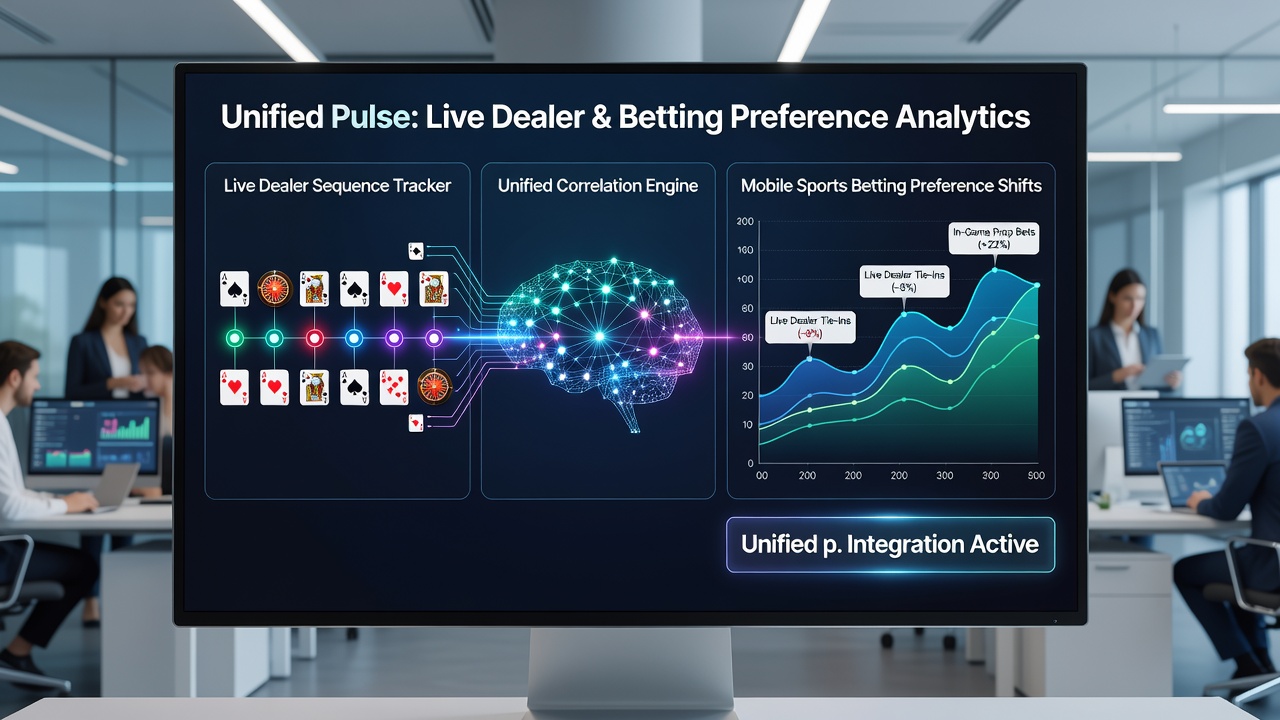
Unified promotion systems operate by assigning shared value across live dealer results and sports selections, allowing players to apply credits earned at tables directly to event wagers. This structure produces decision chains where outcomes at one vertical prompt activity at another without additional friction. Those who've examined the logs observe that bonus conversion rates rise when dealer sequences extend beyond average lengths, prompting immediate shifts toward sports markets featuring live odds updates.
Case examples from operator datasets illustrate how a player finishing a dealer session with accumulated points frequently redirects those points into basketball or tennis in-play bets. The networks track these movements through integrated identifiers that link accounts across game categories, generating the correlations researchers measure in preference data.
Analytical Approaches to Sequence Correlation
Analysts apply time-series methods to compare live dealer outcome strings with subsequent sports betting choices recorded on the same mobile accounts. Results indicate statistically notable associations between specific sequence types and the sports markets selected, particularly when promotions reward cross-category movement. Experts have observed these links hold across different device operating systems and geographic regions where mobile sports betting operates legally.
Further examination shows that promotion timing relative to dealer sequences affects the magnitude of preference shifts, with immediate bonus triggers producing faster transitions than delayed offers. Data collection through app telemetry captures these patterns at scale, enabling operators to adjust network parameters based on observed player flows.
Conclusion
Current evidence from transaction records and regulatory summaries demonstrates measurable correlations between live dealer sequences and mobile sports betting preferences when unified promotion networks connect the two. These patterns continue to appear in aggregated data through August 2026, reflecting structural features of how operators design cross-vertical incentives. Additional monitoring by industry groups and academic researchers will likely refine understanding of the precise mechanisms driving these shifts in user behavior across platforms.