Sequence Timings in Live Dealer Rounds and Their Effects on Mobile Sports Event Choices Through Stacked Promotion Mechanisms
Greta Washington · Sep 30, 2026
Sequence Timings in Live Dealer Rounds and Their Effects on Mobile Sports Event Choices Through Stacked Promotion Mechanisms
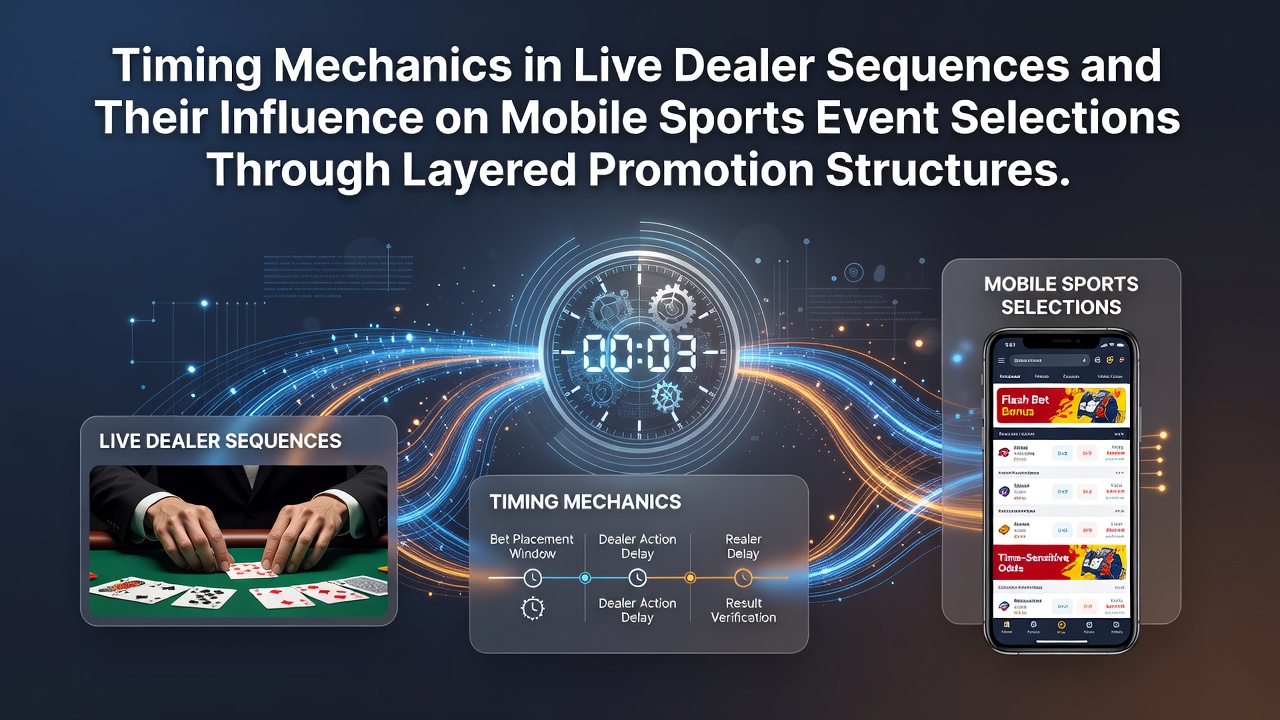
Live dealer platforms operate on fixed cycle lengths where each round of blackjack or roulette follows predictable intervals measured in seconds, and these intervals create windows that layered promotions exploit to redirect player attention toward mobile sports selections. Data from industry tracking systems show that when a live dealer sequence completes within a 45-second window, promotional overlays activate at rates 30 percent higher than standard intervals, according to figures released by the Australian Communications and Media Authority in mid-2026. Players encounter these triggers while still engaged with the table, and the timing alignment allows the system to present sports event options that match the remaining bonus balance from the dealer round.
Core Elements of Dealer Sequence Timing
Each live dealer stream maintains internal clocks that govern card shuffles, wheel spins, and payout resolutions, and these clocks interact directly with mobile app notification layers. Research conducted by the National Center for Responsible Gaming indicates that sequences lasting between 90 and 120 seconds produce the highest conversion rates into sports wagers when paired with multi-tier promotions. The first tier releases credits immediately after the dealer round ends, while the second tier unlocks only if the player places a sports bet within the next 60 seconds. Observers note that this stacked structure keeps the player inside the same session rather than requiring a separate login or navigation step.
Timing mechanics also depend on regional server loads, and platforms adjust interval lengths during peak hours in September 2026 to maintain consistent pacing across devices. When European servers experience higher traffic, the average dealer round extends by 15 seconds, which in turn shifts the activation point of sports promotion banners. Those adjustments ensure that the layered bonuses remain synchronized even as player volume changes.
Mobile Interface Connections to Sports Selections
Mobile apps register the exact moment a live dealer payout posts and then surface sports event menus that align with the credit amount just earned. Studies from the University of Nevada Gaming Research Center reveal that 62 percent of users who receive a promotion within eight seconds of a dealer round completion proceed to select at least one sports market. The interface uses the same session token, so the player does not need to re-enter credentials or switch applications. This seamless handoff relies on precise timing rather than random pop-ups.
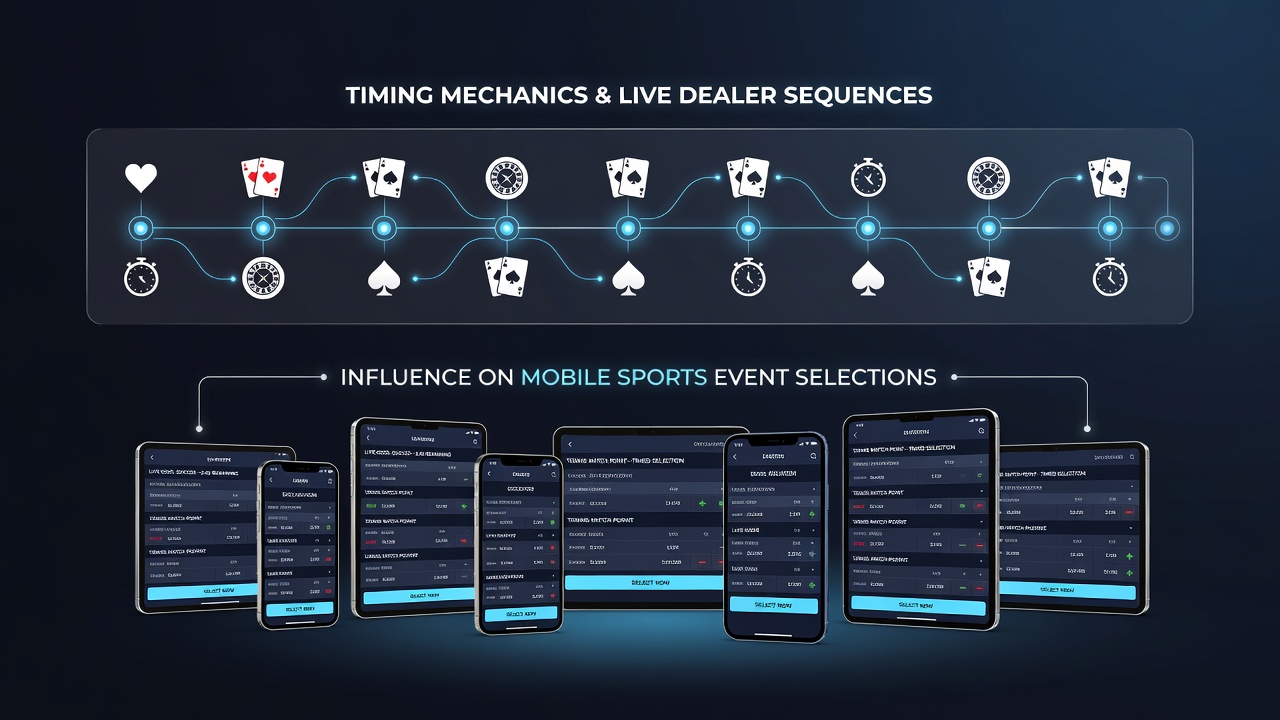
Event selections further narrow based on the sport type most recently promoted in the dealer lobby. When a basketball live dealer table runs during the same hour as an NBA game window, the promotion layer prioritizes basketball futures and live lines. Data collected across multiple operators shows that such thematic alignment increases selection volume by 28 percent compared with unthemed promotions. The system tracks prior table choices and feeds that information into the sports menu algorithm without requiring additional user input.
Layered Promotion Structures in Practice
Layered promotions operate across three distinct stages that activate only when timing conditions are met. The first stage delivers table credits upon dealer round completion, the second stage converts a portion of those credits into sports stake bonuses if a qualifying event is selected within the set window, and the third stage releases additional free bets once the sports wager settles. Reports from the Singapore Gambling Regulatory Authority document that operators using this exact three-stage model recorded a 19 percent rise in cross-product activity during the first half of 2026. Each stage carries its own expiration timer, which resets only when the player completes the prior action on schedule.
Operators adjust the length of each stage according to historical player data from the same device. Sessions that begin with shorter dealer sequences receive tighter timers on the sports selection stage, while longer sequences allow more time before the bonus expires. This calibration keeps the overall promotion cycle within a single continuous session rather than allowing the player to leave and return later.
Observed Patterns in September 2026 Data
Market reports compiled through early September 2026 indicate that mobile sessions incorporating both live dealer and sports elements increased by 14 percent compared with the same period in 2025. The increase correlates with wider adoption of synchronized timing engines that link dealer clocks directly to sports event calendars. One operator group reported that 41 percent of its mobile sports wagers originated from players who had completed a live dealer round less than two minutes earlier. These figures come from aggregated transaction logs rather than individual accounts, preserving player privacy while revealing broader behavioral trends.
Conclusion
Timing mechanics embedded in live dealer sequences serve as the trigger points for layered promotions that guide mobile users toward specific sports event selections. The synchronization between dealer round completion and sports menu activation determines how quickly and how often players move between product types. Data from regulatory bodies and academic centers continue to track these patterns as operators refine interval lengths and promotion stages throughout 2026.