Shifts in Player Preferences Across Digital and Traditional Gambling Platforms in 2026
Clara Günther · Jul 21, 2026
Shifts in Player Preferences Across Digital and Traditional Gambling Platforms in 2026
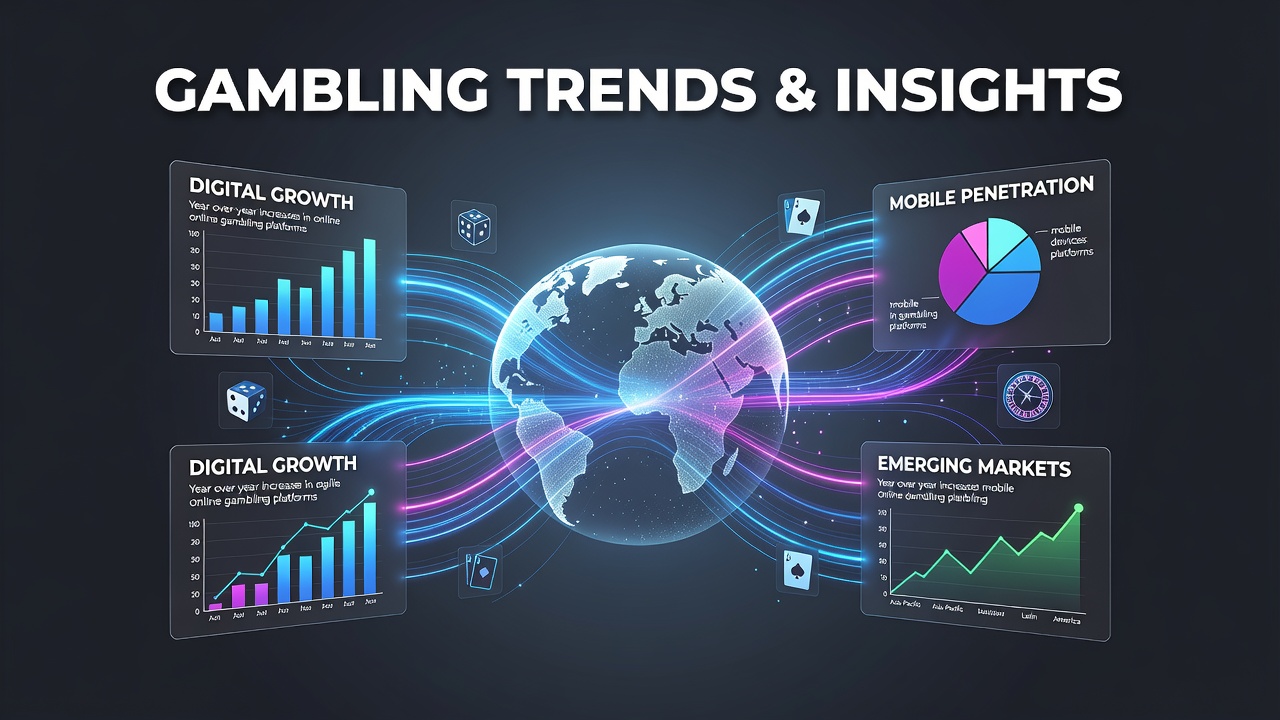
Markets around the world have shown steady evolution in how people engage with gambling activities as of July 2026, with digital platforms continuing to reshape traditional approaches. Data from multiple regions indicate that integrated experiences combining sports events, slot mechanics, and live interactions have gained traction among participants who previously favored single-format options. Observers note that these patterns reflect broader changes in technology access and regulatory adjustments rather than isolated preferences.
Regional Market Developments
North American jurisdictions have reported consistent revenue increases tied to expanded mobile options, while European operators have adjusted offerings to align with updated compliance requirements from various national bodies. Australian researchers have documented similar patterns where event-based wagering has begun to influence participation in other game types, creating observable connections between different segments. Those who track these movements point to improved connectivity as a key factor driving the observed shifts.
Asian markets present another layer of complexity, as local regulations continue to balance growth with oversight mechanisms. Figures released through government channels show that certain areas have seen rises in online participation rates, often linked to infrastructure improvements in mobile networks. Experts have observed that these changes do not occur uniformly, with variations appearing across urban and rural participant groups.
Integration of Game Formats
One notable development involves the way different gambling formats have started to overlap within single platforms. Participants who begin with sports selections sometimes transition into slot sessions or live table sequences during the same session, according to aggregated usage logs from major operators. This cross-format movement has prompted providers to design promotional structures that encourage continued engagement across categories without requiring separate accounts or logins.
Researchers at academic institutions have examined these sequences and identified recurring decision points where users switch activities. The patterns suggest that momentum from one format can carry over, particularly when bonuses or rewards apply across multiple areas. Data indicates that mobile interfaces have facilitated this fluidity more effectively than earlier desktop-only systems.
Regulatory Influences on Participation
Government agencies in several countries have introduced measures that directly affect how promotions and bonuses function across different game types. In Canada, for instance, provincial authorities have updated guidelines around unified reward programs, leading operators to modify their structures accordingly. Similar adjustments appear in parts of Latin America where new licensing frameworks emphasize transparency in cross-game incentives.

These regulatory updates have coincided with changes in how operators present options to users. Platforms now often highlight connections between sports outcomes and casino features within the same application, which aligns with observed user navigation habits. Reports from industry monitoring groups show that such presentations correlate with higher session durations in tracked markets.
Technology and Access Factors
Advancements in device capabilities and network reliability have supported the expansion of live dealer features into more geographic areas. Participants in regions with improved 5G coverage have demonstrated increased usage of real-time table games alongside traditional betting activities. Studies from research centers indicate that latency reductions have played a measurable role in these adoption rates.
Security protocols have also evolved alongside these expansions, with operators implementing enhanced verification steps that maintain compliance while minimizing friction during format transitions. Those monitoring compliance note that these measures have helped sustain trust levels among users who engage across multiple game categories within single sessions.
Player Behavior Patterns
Analysis of transaction data reveals that many individuals maintain consistent overall spending levels even as they explore different formats. The movement between categories appears driven more by session variety than by changes in total expenditure. Academic papers examining these behaviors have highlighted the role of interface design in guiding these explorations without altering underlying participation budgets.
Seasonal events continue to influence activity spikes, particularly around major sports competitions that draw attention from both dedicated followers and casual participants. Data collected through mid-2026 shows that these peaks often extend into adjacent game types when operators link promotions across categories.
Conclusion
Current indicators point to continued adaptation within the gambling sector as digital tools and regulatory frameworks evolve together. Patterns observed through July 2026 suggest that integration across formats will remain a central feature of market activity, shaped by both technological capabilities and policy decisions in different regions. Ongoing data collection from diverse sources will help clarify how these elements interact in the periods ahead.