Tracing Bonus Movements from Poker Tables to Roulette Wheels and Sports Events in Mobile Environments
Clara Günther · Aug 2, 2026
Tracing Bonus Movements from Poker Tables to Roulette Wheels and Sports Events in Mobile Environments
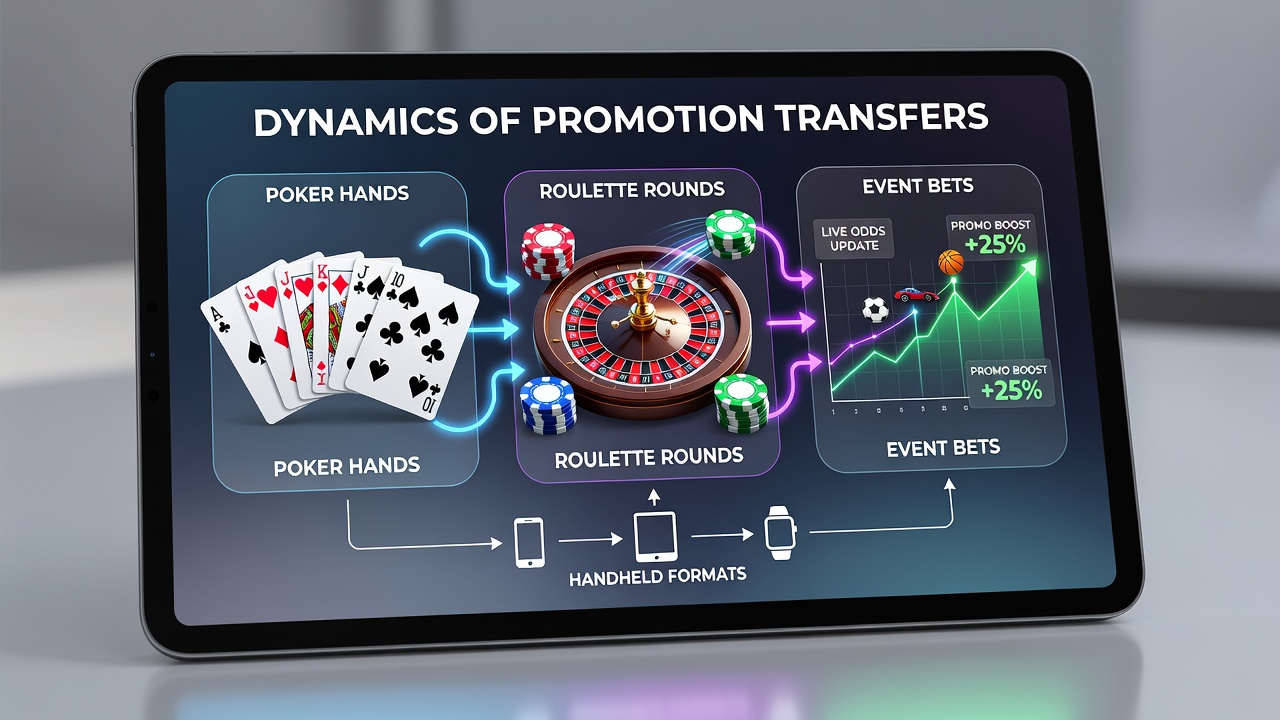
Promotion transfers in handheld gaming formats involve structured systems that allow credits or bonuses earned in one game type to move into another without separate deposits, and operators design these pathways through integrated wallet systems on mobile applications. Data from industry reports indicate that such mechanisms operate via centralized player accounts where points from poker hands convert into roulette credits or event bet stakes based on predefined exchange rates set by the platform. In August 2026, several mobile operators updated their transfer protocols to comply with evolving state regulations that require clear disclosure of conversion fees and time limits on bonus validity.
Mechanics of Cross-Game Credit Pathways
Players complete poker hands and accumulate loyalty points that the system automatically logs into a shared balance accessible across game categories, while roulette rounds generate separate multipliers that apply when those points shift to event wagers on the same device. Research from regulatory filings shows that transfer windows typically last between 24 and 72 hours, and platforms enforce minimum activity thresholds before conversions activate. Those who monitor transaction logs observe that event bet promotions often receive priority weighting in the algorithms, which means points from poker or roulette feed into sports selections at accelerated rates during peak event periods.
Integration Across Poker, Roulette, and Event Selections
Handheld formats consolidate these transfers through a single dashboard that displays available balances for each game type, and users select the destination before confirming the move. Figures from platform analytics reveal that average transfer volumes increase by measurable margins when mobile users engage multiple categories in one session. Observers note that poker decisions influence the rate at which bonuses become available for roulette, because hand outcomes trigger tiered rewards that carry over directly. Event wagers then draw from those accumulated resources, creating a chain where initial poker activity can support later sports betting without additional funding steps.
Role of Mobile Interfaces in Facilitating Transfers
Applications on handheld devices streamline the process with one-tap confirmations that link poker session results to roulette credit pools and onward to event bet selections. Studies conducted by academic researchers at institutions focused on digital commerce document that latency in transfers averages under three seconds on optimized networks, which supports continuous play across categories. In practice, users encounter visual indicators that show remaining bonus life and eligible transfer destinations, reducing errors during the shift from one game to another. Data indicates that platforms incorporating these features record higher session continuity compared with those that require manual code entry for each move.
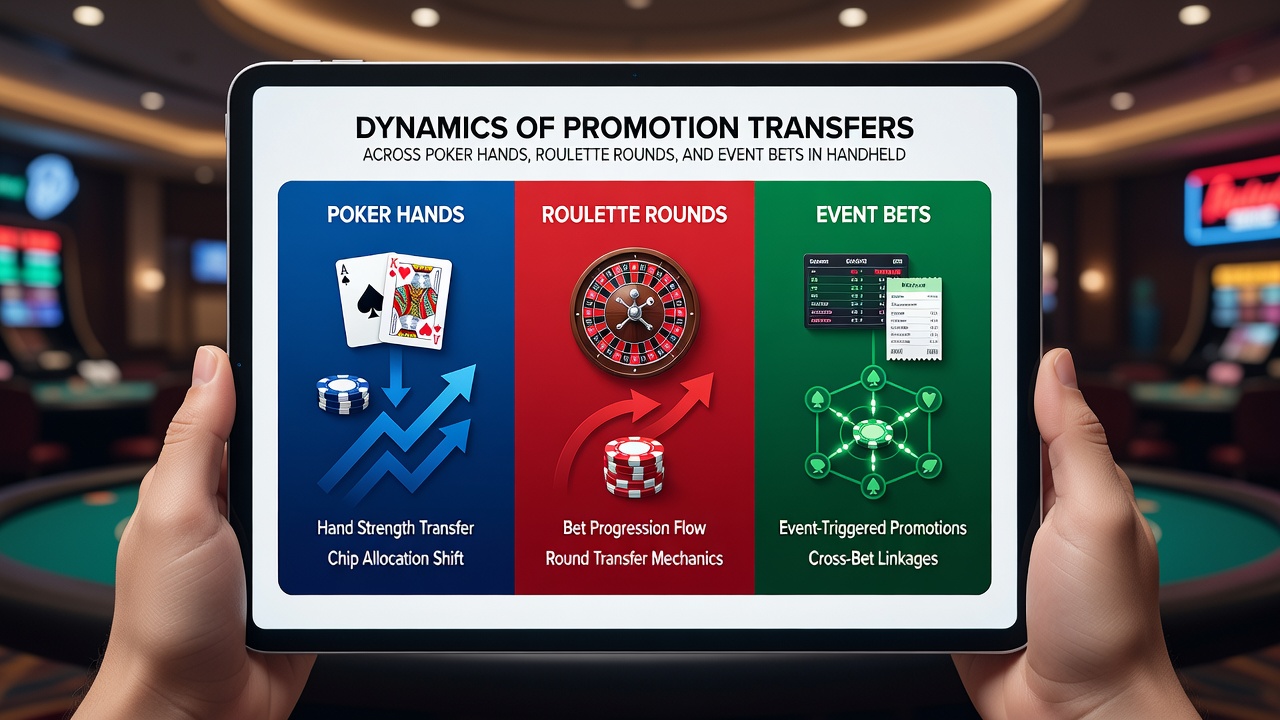
Regulatory bodies in multiple regions, including the Nevada Gaming Control Board, have issued guidelines that require operators to maintain audit trails for every transfer between game types. These records track the origin of points, the conversion applied, and the final use in event bets or roulette rounds. Platforms that meet these standards display real-time logs within the app, allowing users to verify movements without external requests. Another source, reports compiled by the Responsible Gambling Council in Canada, highlights how clear transfer rules correlate with reduced player confusion across integrated mobile offerings.
Observed Patterns in Transfer Activity
Analytics from multiple operators show that transfers peak during evening hours when users transition from poker tables to live roulette sessions and then place event wagers on ongoing matches. The patterns demonstrate that bonuses originating from poker hands frequently support smaller roulette bets first, which in turn unlock larger multipliers for sports selections. Those who review aggregated transaction data note that event-driven promotions create temporary spikes in transfer frequency, particularly around major league schedules. Handheld interfaces display these opportunities through push notifications that prompt users to move credits before expiration windows close.
Technical Considerations in Handheld Formats
Secure encryption protocols protect the data exchanged during transfers, and operators test these systems regularly to prevent interruptions when users switch between poker, roulette, and event betting modules. Mobile operating systems impose additional constraints on background processing, which means transfers must complete within active app sessions or through stored session tokens. Evidence from technical reviews indicates that successful implementations rely on cloud-based account synchronization that updates balances across devices owned by the same player. This synchronization supports seamless movement of promotion values without requiring re-authentication at each step.
Conclusion
Promotion transfers across poker hands, roulette rounds, and event bets in handheld formats rely on centralized account structures, timed conversion rules, and regulatory-compliant tracking systems. Data from oversight agencies and research groups document consistent operational patterns that enable these movements while maintaining separate game integrity. Platforms continue to refine the technical and procedural elements that govern such transfers as mobile usage expands.