Tracing Decision-Making Pathways Between Virtual Tables and Sports Betting in Mobile Ecosystems
Erik Coleman · Aug 11, 2026
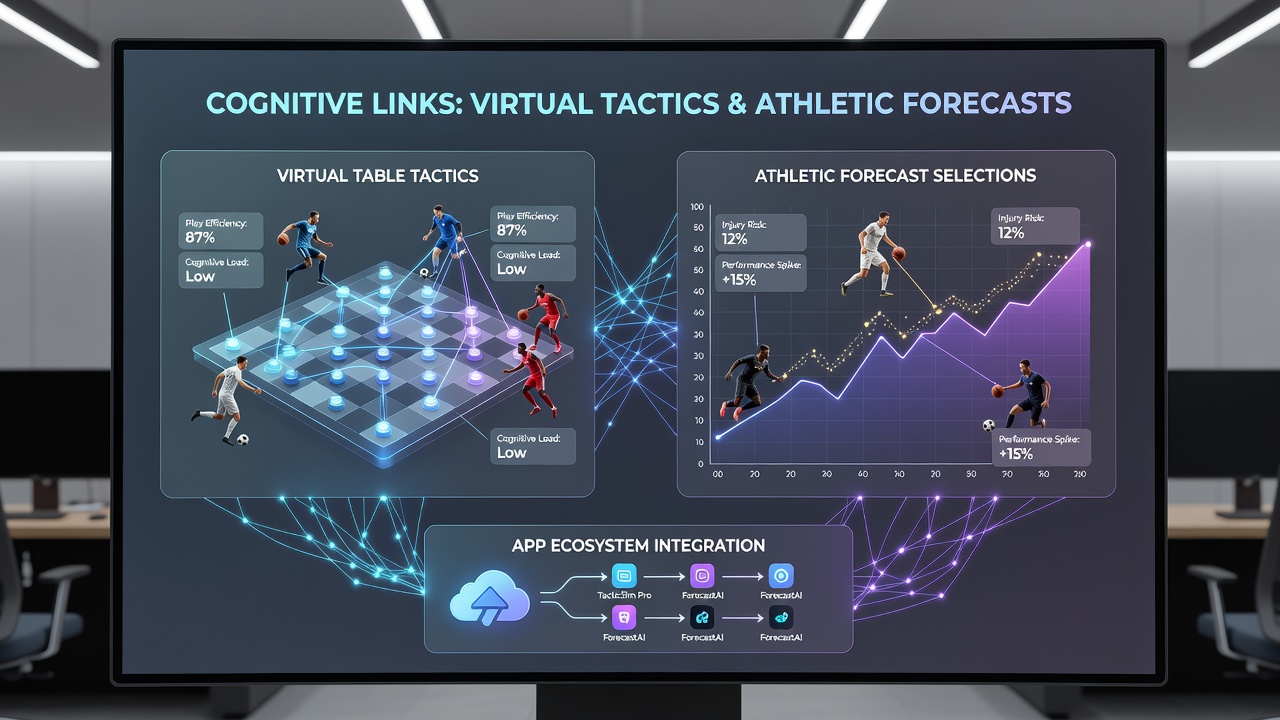
Tracing Decision-Making Pathways Between Virtual Tables and Sports Betting in Mobile Ecosystems
Researchers examining player behavior across integrated mobile platforms have documented consistent patterns where skills developed in virtual table environments transfer directly to selections in athletic forecasting sections. Data from app ecosystems in 2026 shows users who engage regularly with poker variants or blackjack simulations often apply similar probability calculations and risk assessment frameworks when placing wagers on sports events within the same application.
Core Cognitive Mechanisms at Play
Studies tracking decision sequences reveal that participants who master hand evaluation in digital card games demonstrate measurable improvements in forecasting accuracy for event outcomes. These mechanisms include pattern recognition honed through repeated exposure to variable card distributions and the ability to adjust strategies based on incomplete information. Observers note that such abilities align closely with evaluating team statistics or player conditions in sports markets where outcomes depend on multiple interdependent factors.
Application developers have incorporated unified analytics dashboards that allow players to review past table game sessions alongside sports betting histories. This integration highlights how risk tolerance levels established during live dealer sessions influence bet sizing decisions during major athletic competitions. Figures from industry reports indicate steady growth in cross-category engagement throughout early 2026 with users spending extended periods navigating between these features on single devices.
Evidence from Behavioral Data Sets
Analysis of user logs from major platforms demonstrates direct correlations between time spent on virtual roulette sequences and subsequent adjustments in parlay constructions for sports events. Those who refine bankroll management techniques at digital tables frequently exhibit more disciplined approaches when selecting odds in football or basketball markets. Research conducted through academic partnerships with gaming operators has quantified these shifts showing reductions in impulsive selections after sustained table game practice.
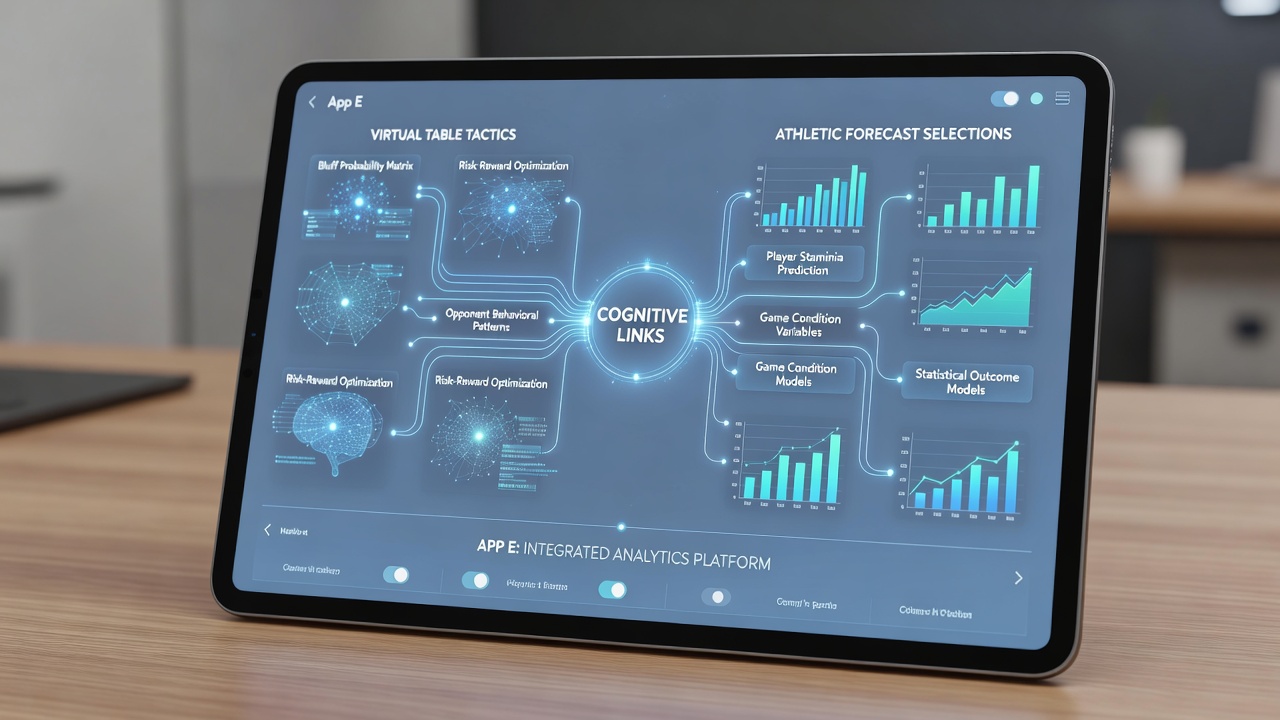
August 2026 updates from tracking services continue to reflect this momentum with increased session lengths reported across North American and European markets. Regulatory filings from bodies such as the National Council on Problem Gambling further contextualize these patterns by noting how responsible play tools embedded in apps support skill transfer without encouraging excess.
Platform Design and Integrated Features
App developers have responded by embedding tutorial modules that explicitly connect blackjack probability concepts to live sports odds calculations. Users encounter prompts that reference prior table decisions when navigating accumulator bets or prop markets. This design choice stems from internal testing that confirmed higher retention rates among players who recognize these parallels. Data sets compiled by organizations like the American Gaming Association show corresponding rises in multi-category participation through mid-2026.
Case examples drawn from anonymized player cohorts illustrate how a sequence of successful virtual poker folds can precede more selective sports wagers on underdog scenarios. The same cohort often displays tighter adherence to predetermined limits across both categories after exposure to unified loyalty systems. Such observations emerge consistently from aggregated telemetry rather than isolated reports.
Regional Variations in Adoption
Markets in Australia and Canada present distinct profiles where regulatory frameworks emphasize transparent odds displays that reinforce cognitive links. Players in these regions access comparative analytics tools that overlay table game variance metrics onto sports line movements. Government statistical releases through 2026 confirm elevated cross-engagement rates compared to jurisdictions with more segmented app structures.
Technical implementations continue evolving with machine learning models that predict when table-derived strategies might enhance sports forecasting outcomes. These systems draw from extensive data pools collected during peak usage periods and adjust interface elements accordingly without altering core game rules.
Conclusion
Patterns documented across multiple data sources establish measurable connections between virtual table tactics and athletic forecast selections within shared app environments. Continued monitoring through regulatory and academic channels will track how these cognitive pathways develop as mobile platforms refine their integrated offerings into late 2026 and beyond.